SMS Automation Abuse in Service Businesses
Your phone buzzes. It is a text from the plumber who fixed your faucet six months ago. "We noticed it's been a while since your last service. Reply YES to schedule a checkup!" You never opted into marketing texts. You gave your number so they could tell you when the technician was on the way. Now it is a lead generation channel.
This is not an edge case. It is the default behavior in dozens of service business platforms, and most shop owners have no idea their software is doing it.
How We Got Here
SMS automation started as a genuinely useful feature. Appointment reminders reduced no-shows. Status updates kept customers informed. Texts telling you "your car is ready" replaced the frustrating cycle of calling the shop and getting voicemail. These are good uses of the technology, and customers appreciated them.
The problem is that software vendors realized those same phone numbers could be used for a lot more than service updates. Once a number is in the system, the platform can send review requests, promotional offers, seasonal reminders, referral nudges, and reactivation campaigns. Many of these features are enabled by default, buried in settings menus that busy shop owners never explore.
The result is that customers who gave their number for one purpose start receiving messages they never agreed to. That is not just annoying. Under the Telephone Consumer Protection Act (TCPA), it can be illegal.
The Consent Gap
Most service businesses collect phone numbers on intake forms, work orders, or online booking pages. The customer's intent is clear: they are providing contact information for the service at hand. But the software treats that number as a blanket permission slip for any communication the platform can generate.
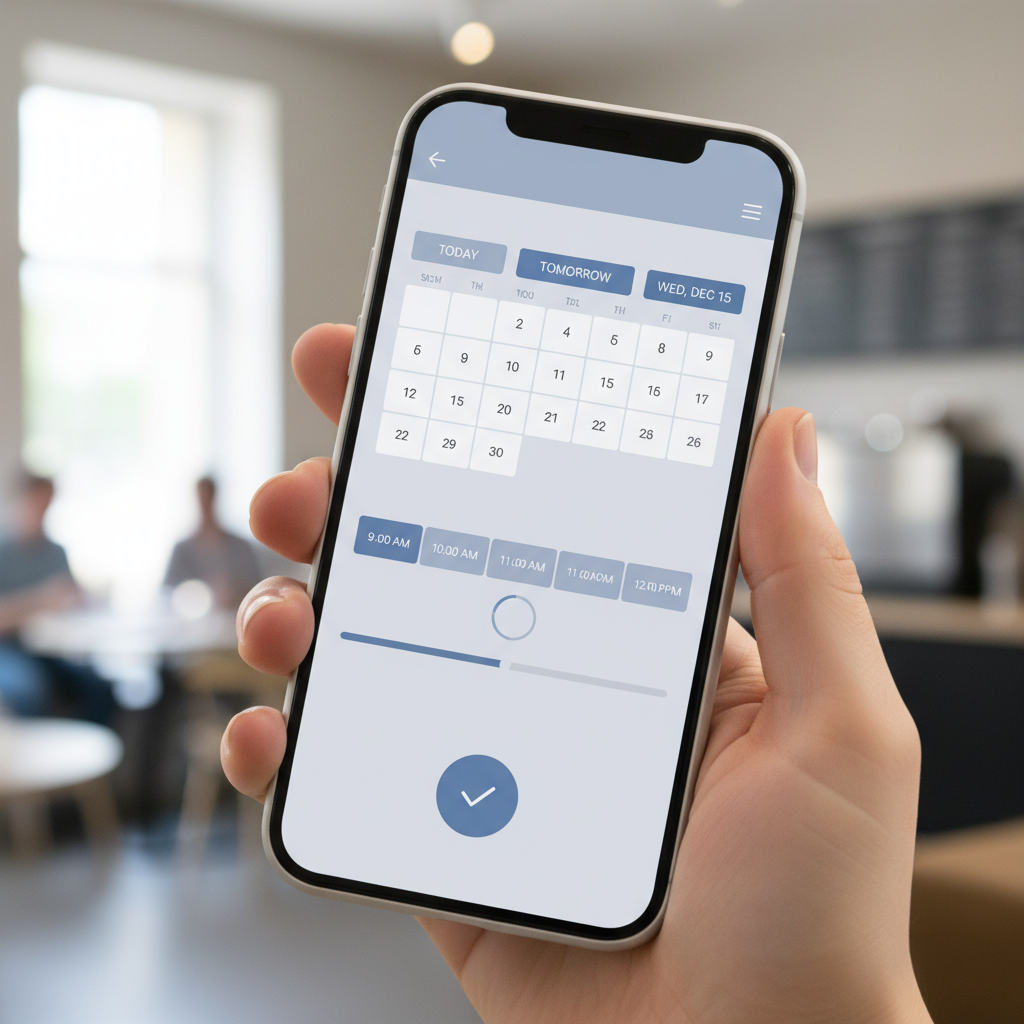
Some platforms include a tiny checkbox or fine-print disclaimer on the booking page that technically covers marketing messages. But "technically covers" and "meaningfully informs" are very different things. If a customer does not realize they agreed to promotional texts, the consent is meaningless in practice, regardless of what the legal language says.
This is where the concept of consent theater becomes relevant. The form exists to protect the business, not to inform the customer. And when the software vendor provides the form language, the shop owner may not even know what their customers are agreeing to.
What Automated Abuse Looks Like
Let's be specific about the patterns that cross the line from helpful to manipulative.
Reactivation campaigns without context. A customer gets their AC repaired in July. In January, they get a text: "Time for a furnace tune-up?" The software triggered this based on a timer, not any actual knowledge of the customer's needs. The customer never asked for ongoing maintenance reminders.
Review solicitation disguised as follow-up. "How did we do? Tap here to let us know!" sounds like the business cares about feedback. But the link only goes to Google Reviews if the customer indicates they are happy. Unhappy responses get routed to an internal form. This is review gating, and it is deceptive whether done by text or email.
Urgency-based upselling. "Our records show your last brake inspection was 12 months ago. Don't wait until it's too late!" These messages manufacture urgency using maintenance intervals that may or may not apply to the customer's actual situation. The software does not know the condition of the brakes. It knows when the last invoice was created.
Referral pressure. "Know someone who needs plumbing help? Share this link and you both save $25!" Turning every customer into a salesperson via automated text is aggressive even when the customer originally had a positive experience.
The Shop Owner's Blind Spot
Here is what makes this particularly tricky: many shop owners genuinely do not know the full scope of what their software sends. They signed up for a platform that promised to "automate customer communication" and assumed that meant appointment reminders and job updates. They did not read every default workflow. They did not audit the message templates.

This is not entirely the shop owner's fault, but it is their responsibility. When a customer gets an unwanted text, they blame the business, not the software. And they are right to. The business chose the tool and is accountable for how it behaves. Understanding the ethical dimension of your software choices matters, even when the vendor makes it easy to ignore.
Software vendors know this dynamic well. They benefit when shop owners stay hands-off. More messages sent means more engagement metrics, which means the platform looks more valuable at renewal time. The incentive structure rewards volume, not appropriateness.
Legal Risk Is Real
TCPA violations carry penalties of $500 to $1,500 per unsolicited text message. Class action lawsuits against businesses sending automated marketing texts without proper consent have resulted in settlements in the tens of millions. Small service businesses are not immune. A single disgruntled customer who received 20 unwanted texts over two years could represent a $30,000 liability.
The fact that the software sent the messages automatically is not a defense. The business is the sender of record. "My software did it" does not hold up any better than "my employee did it without my knowledge."
What Responsible SMS Automation Looks Like
None of this means service businesses should avoid text messaging. SMS remains one of the most effective communication channels for service updates, and customers generally prefer it to phone calls. The goal is to use it honestly.
Separate transactional and marketing consent. Giving a phone number for appointment updates should not automatically enroll someone in promotional campaigns. These should be distinct opt-ins with clear language.
Audit your platform's default workflows. Log into your software and look at every automated message sequence. Disable anything the customer did not explicitly request. If you are not sure what a workflow does, turn it off until you find out.
Make opting out effortless. Every text should include a simple way to stop receiving messages. Not just marketing messages. All non-essential messages. And the opt-out should actually work, immediately, without requiring the customer to call or email.
Send messages that serve the customer, not just the business. An appointment reminder serves the customer. A "we miss you" text serves the business. The distinction is usually obvious if you are willing to be honest about it.
Businesses that treat automation as a tool for customer respect rather than extraction tend to find that fewer, better messages produce stronger relationships than a constant drip of promotional noise. The shops that get this right do not need reactivation campaigns because their customers already trust them enough to come back.
The Bigger Picture
SMS automation abuse is a symptom of a broader problem in service business software: the assumption that more communication is always better. Platforms compete on features, and "automated marketing campaigns" sounds impressive in a sales demo. Whether those campaigns actually help the customer is a question that rarely gets asked.
If you run a service business, your customers gave you their phone number because they needed something fixed. Respect that. Use the number for what they intended, and ask before using it for anything else. It is not complicated. It just requires treating your customers the way you would want to be treated, which, for some reason, is the hardest thing for software to automate.