When Automation Helps Shops vs. When It Manipulates Customers

Automation in service businesses is not inherently good or bad. A scheduling tool that sends a reminder the day before an appointment is useful. A system that fires off seven follow-up texts within 48 hours of a missed call is something else entirely. The technology is the same. The intent is not.
The service industry, especially auto repair, HVAC, plumbing, and similar trades, has adopted software at a remarkable pace over the past decade. Shop management platforms, CRM tools, automated texting, digital inspections, AI-driven phone systems: the list grows every quarter. Vendors pitch these tools as efficiency boosters, and many of them genuinely are. But a growing number cross the line from helping shops run better into helping shops extract more money from customers who did not ask for it.
The distinction matters. And it is not always obvious.
What Helpful Automation Actually Looks Like
Start with the basics. A shop that automates appointment confirmations saves time for the front counter and reduces no-shows. A digital vehicle inspection that sends photos and videos to a customer's phone lets them make informed decisions about repairs. An automated system that notifies a customer when their vehicle is ready for pickup is simply good communication.

These tools share a common thread: they give the customer something of value. Information, convenience, clarity. The shop benefits too, obviously, but the customer is better off because the tool exists. That is the baseline test for whether automation is genuinely helpful.
Good automation also tends to respect the customer's time and attention. One confirmation text is useful. A cascade of messages designed to keep your shop top-of-mind is marketing disguised as communication. There is a difference between "Your car is ready" and "We noticed you haven't scheduled your next oil change. Book now and save 10%!" sent on a loop every three weeks.
Where It Starts to Go Wrong
The trouble begins when automation is designed primarily around shop revenue targets rather than customer needs. This is not a hypothetical concern. It is the explicit selling point of many service business software platforms.
Consider automated upsell prompts. Some digital inspection tools are configured to flag every possible service recommendation, not because a technician thinks it is urgent, but because the software is programmed to maximize the dollar value on every repair order. The technician taps through a checklist, the system auto-generates a long list of "recommended" services, and the customer receives a slick presentation that makes it all look equally important.
The customer sees a professional-looking report and assumes everything on it reflects the technician's honest assessment. In reality, the software nudged the process toward a bigger ticket. The technician may not have even paused to consider whether each recommendation was appropriate for that specific vehicle at that specific mileage. The automation did the thinking for them, and its thinking was optimized for revenue.
This is the pattern that repeats across the industry. Online scheduling tools that pre-select additional services during booking. Phone systems that route calls through AI scripts designed to prevent customers from simply asking a quick question. Follow-up sequences that pressure customers who declined a repair, framing the decision as dangerous or irresponsible.
The Revenue-Per-Ticket Mindset
Software vendors love to advertise how much they increase average repair order value or how they "recover" declined services. These metrics tell you everything about whose interests the tool serves. When the primary success metric is revenue extraction, the customer is not the beneficiary. They are the target.
This is not to say that shops should never follow up on declined repairs. If a customer declined brake work because they were short on cash, a single respectful follow-up a month later is reasonable. But that is different from an automated drip campaign that sends increasingly urgent messages, complete with stock photos of worn brake pads, designed to manufacture anxiety.
The key question for any shop owner evaluating these tools: would you be comfortable if your customer could see exactly how this system works behind the scenes? If the answer is no, the tool is probably manipulative. If the answer is yes, you are likely on solid ground.
The Gray Area Is Real
Not every case is clear-cut, and pretending otherwise would be dishonest. Take SMS automation, for example. A shop that sends a text when a vehicle is ready, a text with the invoice, and a text asking for a review after pickup is using automation sensibly. But where exactly does it become too much? Is a quarterly maintenance reminder manipulative or just good business? What about a birthday discount text?
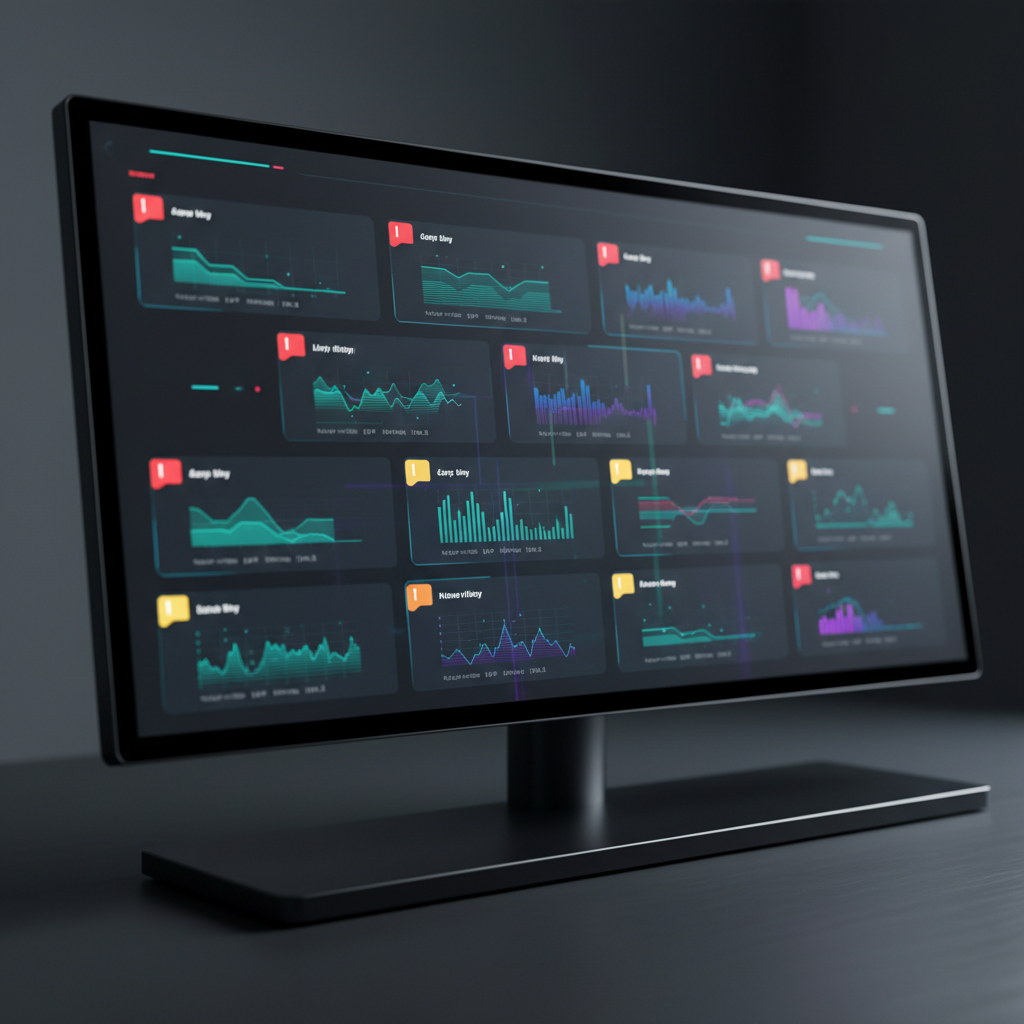
Reasonable people can disagree on the specifics. The principle, though, is straightforward: automation should primarily serve the customer's interest, not just the shop's bottom line. When a tool's main function is to increase how much each customer spends, and it does so through psychological pressure rather than genuine value, it has crossed the line.
Why This Matters for the Industry
Trust is the most valuable asset any service business has. A customer who trusts their mechanic, plumber, or HVAC technician will return for years and refer friends and family. That trust is fragile, and it is being eroded by software tools that optimize for short-term revenue at the expense of long-term relationships.
The irony is that many shop owners adopt these tools without fully understanding what they do. They see the sales pitch about efficiency and growth, sign up, and let the system run. They may not realize that their "automated customer communication" is actually a carefully designed pressure campaign. The invisible decisions made by their software are shaping customer relationships in ways they never explicitly chose.
According to a report from the Federal Trade Commission, manipulative design patterns in digital tools are a growing regulatory concern across industries. Service businesses are not immune to this scrutiny.
A Simple Framework
For shop owners trying to evaluate their own tools, here is a practical test with three questions:
- Does this tool give the customer useful information they did not already have? If yes, it is probably helpful. If it mainly prompts them to spend more, be skeptical.
- Would a customer feel respected or pressured after interacting with this tool? If respectful, keep it. If pressured, reconsider.
- Is the tool transparent about what it does? If the customer would be surprised or uncomfortable learning how the system works, that is a red flag.
Automation can make service businesses better for everyone involved. It can reduce wait times, improve communication, catch mistakes, and free up staff to do more meaningful work. But only when it is designed and deployed with the customer's interests in mind, not just the shop's revenue goals.
The tools themselves are not the problem. The incentives behind them are. And until more shop owners start asking hard questions about what their software is actually doing to their customers, the line between helping and manipulating will keep getting blurrier.
Shops that get this right will win in the long run. The ones that let their software do the thinking for them, without questioning whose interests it serves, may not realize what they have lost until the reviews start telling them.