Dark Patterns in Local Service Booking: A Field Guide
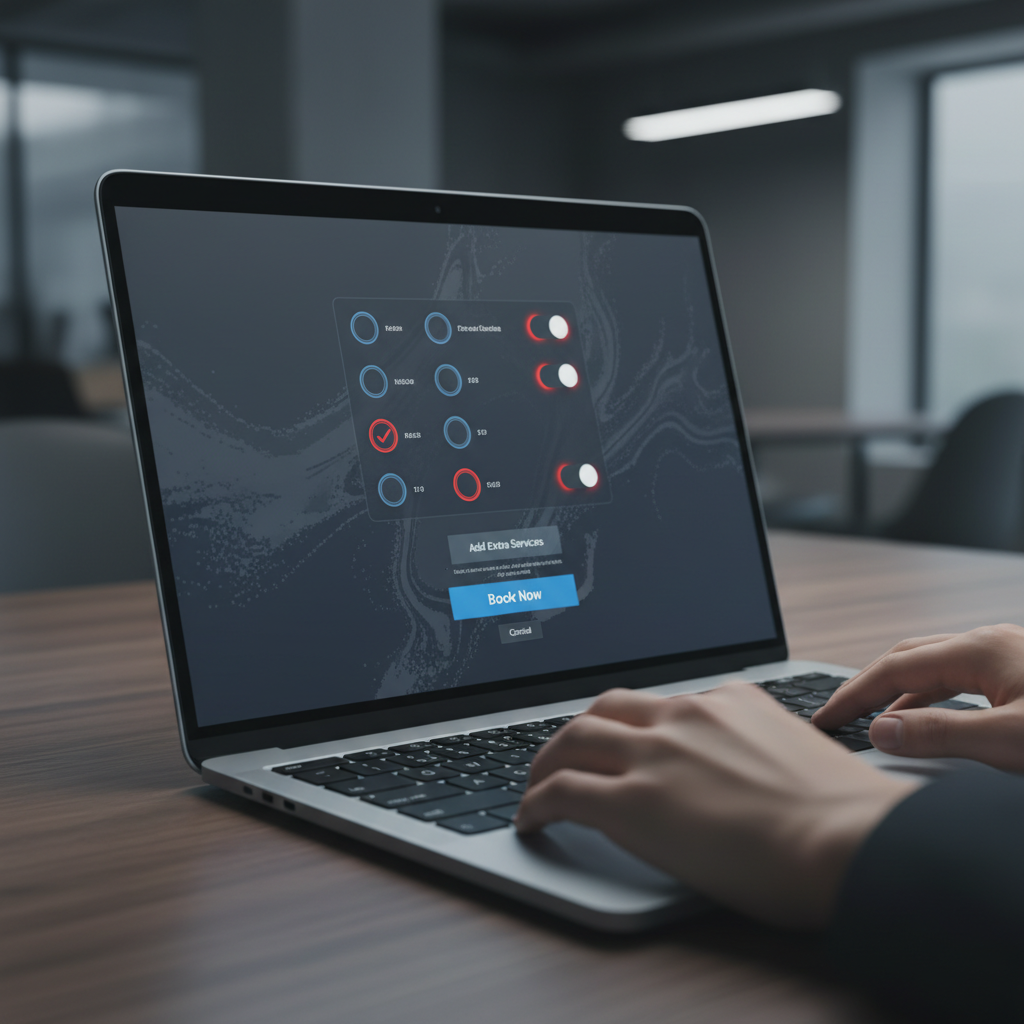
Last month I tried to book a furnace tune-up through a local HVAC company's website. By the time I finished the booking process, I had been offered a maintenance plan, a duct cleaning add-on, an indoor air quality assessment, and a carbon monoxide detector installation. The furnace tune-up I wanted was $89. The checkout total, after all the pre-selected add-ons, was $347. I had to manually deselect three items to get back to what I actually wanted.
I am someone who writes about this stuff for a living and I still almost missed one of the pre-checked boxes. Imagine what happens to the average customer who is just trying to get their heat working before winter.
Dark patterns in local service booking have become so pervasive that most business owners do not even recognize them as deceptive. They see them as "conversion optimization" or "smart defaults." But when your interface is designed to make customers buy things they did not intend to buy, the label you put on it does not change what it is.
Pattern 1: The Pre-Selected Add-On
This is the most common dark pattern in service booking and the one most businesses will defend as a convenience feature. You select your primary service and the booking form automatically adds one or more supplementary services. The checkboxes are pre-checked. The additional line items appear in the order summary. If you are not paying close attention, you book and pay for services you never requested.
The defense is always the same: "We're just showing customers relevant options." But there is a critical difference between showing options and pre-selecting them. Showing an unchecked "Would you also like a duct cleaning?" is an offer. Pre-checking "Duct cleaning added" is a default that exploits the well-documented human tendency to accept defaults. Dark pattern researchers call this the "default effect," and it is one of the most powerful behavioral nudges known.
In practice, many service booking platforms enable pre-selected add-ons by default. Housecall Pro and Mindbody both allow businesses to configure default add-ons in their online booking flows. The business owner turns it on because the platform says it increases average ticket value. The platform is right. It does. By tricking people.
Pattern 2: Manufactured Scarcity
You see this on almost every service booking page that has been "optimized" for conversion: "Only 3 slots available this week!" or "Book now - appointments filling fast!" Sometimes a countdown timer appears, implying that the price or availability will change if you do not act immediately.
In reality, most local service businesses have flexible scheduling and can usually accommodate a new appointment within a few days. The scarcity messaging is manufactured to prevent comparison shopping and create impulse bookings. A customer who thinks the last Tuesday slot will be gone in an hour does not take time to get a second quote from a competitor.
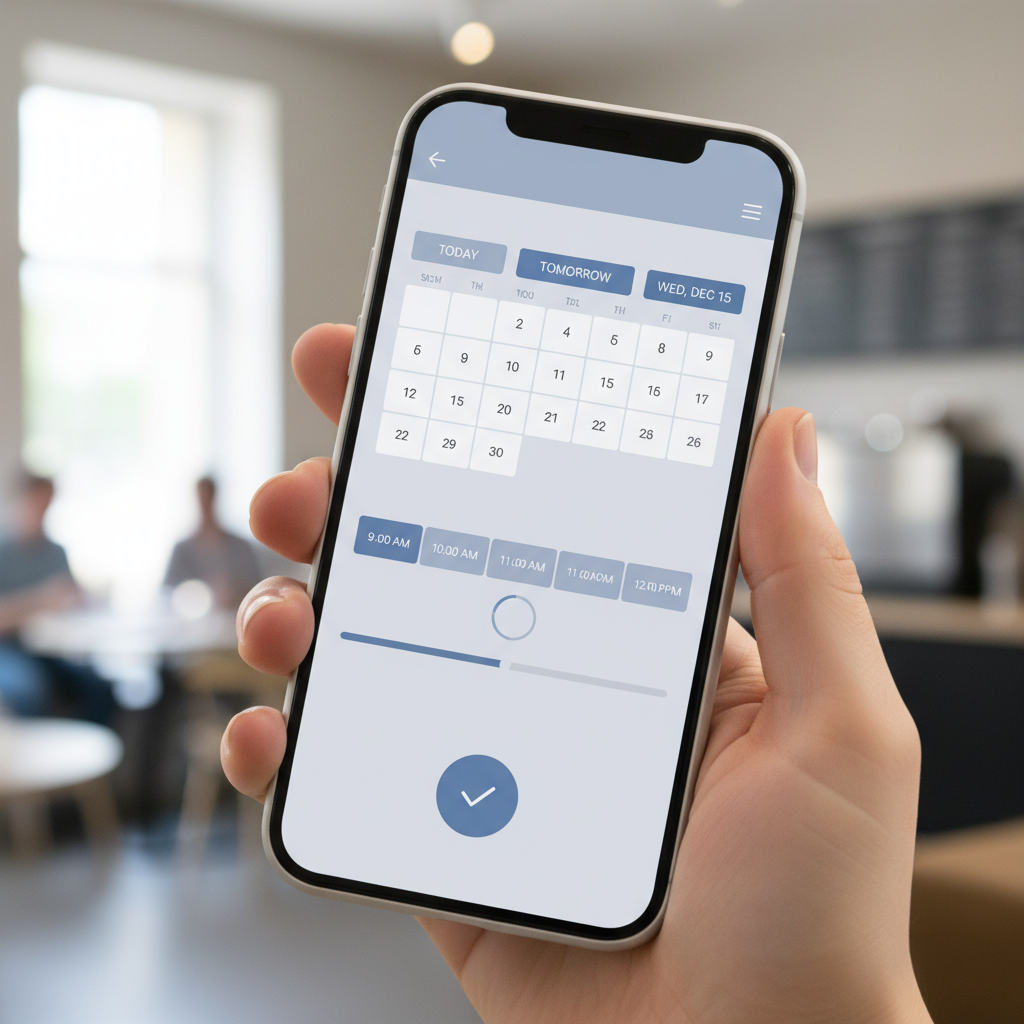
Some platforms generate these scarcity signals automatically based on booking volume, without regard to actual capacity. Others let the business set them manually, which means the "Only 2 spots left" message might appear on a Tuesday when the calendar is completely empty. There is no verification. There is no consequence for dishonesty. The customer has no way to know whether the urgency is real.
Pattern 3: The Confirmshaming Decline
Confirmshaming is when the option to decline something is worded to make the customer feel foolish or irresponsible for saying no. In service booking, it looks like this: the add-on offer has a large, prominent button saying "Yes, protect my home" and a small, dimly colored text link saying "No, I'll risk it."
A pest control company's booking page I reviewed last year offered an annual protection plan with buttons labeled "Protect my family" and "No thanks, I don't need protection." The language frames declining as a statement about the customer's values rather than a purchasing decision. It is manipulative by design, and it is everywhere.
This tactic is borrowed directly from e-commerce popup marketing, where "No thanks, I don't like saving money" style decline buttons have been standard practice since the mid-2010s. The Deceptive Patterns project (formerly Dark Patterns Tip Line) has documented thousands of examples across industries. Its prevalence in service booking is relatively recent and growing fast.
Pattern 4: The Hidden Fee Reveal
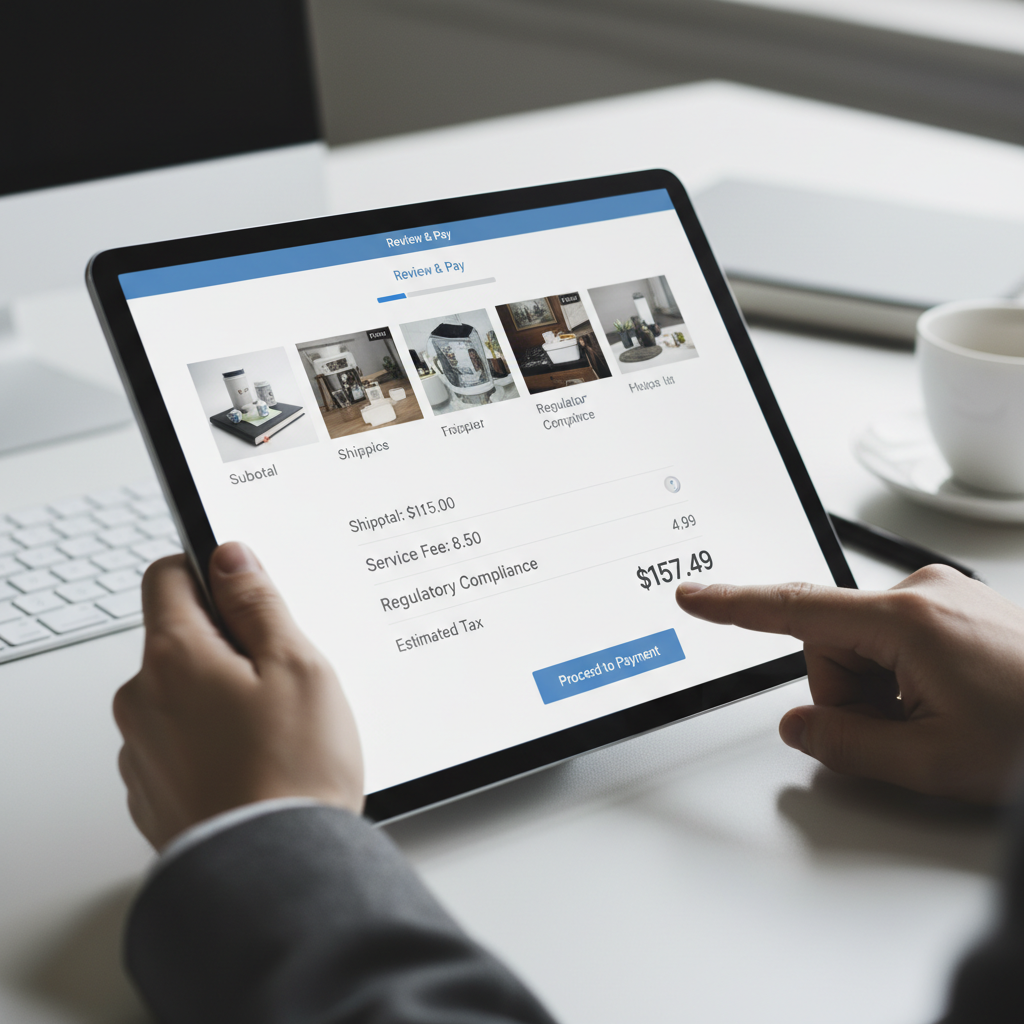
You see an advertised price, click through the booking flow, and somewhere between step 2 and the final confirmation, additional fees appear. A "service call fee" or "dispatch fee" or "booking fee" that was not mentioned on the service listing. The customer has already invested time in the booking process and is unlikely to abandon it over a $29 fee, even though that fee would have influenced their initial decision to book.
This is textbook drip pricing, and the FTC has proposed a rule specifically targeting it. The agency's proposed "junk fees" rule would require all mandatory fees to be disclosed upfront, before the consumer begins the transaction. Until that rule takes effect, the practice remains widespread in service booking.
The businesses doing this are not always being deliberately deceptive. Some booking platforms separate "service price" from "fees" by default, and the business owner may not realize that the customer's experience includes a fee surprise at checkout. But ignorance of the interface your customers experience is itself a failure of responsibility.
Pattern 5: The Friction Asymmetry
Booking is easy. Canceling is hard. This asymmetry is often deliberate. A customer can book online in three clicks, but canceling requires a phone call during business hours, or a form that is buried three menus deep on the website, or an email to an address that responds slowly.
Some platforms compound this with cancellation penalties that were disclosed (if at all) only in fine print during the booking process. "Cancellations within 24 hours are subject to a $50 fee" is a policy that many customers do not encounter until they try to cancel and discover they cannot do it without penalty.
Honest booking design makes canceling as easy as booking. If a customer can schedule an appointment online in two minutes, they should be able to cancel it online in one minute. If your booking system creates friction asymmetry, it is designed to trap customers in commitments, not to serve them.
What Business Owners Should Audit
If you run a service business with online booking, go through your own booking flow as if you were a customer. Not on your admin screen, but on the actual customer-facing page. Try to book the cheapest service you offer and see what happens. Count how many additional purchases are suggested, pre-selected, or pressure-sold during the process. Note where fees appear relative to when they should have been disclosed. Try to cancel an appointment and see how long it takes.
Most business owners have never done this, because they interact with their booking system from the business side. They see the admin dashboard, not the customer experience. The gap between those two views is where dark patterns hide.
Then check your platform's default settings. Many of the dark patterns described above are enabled by default in popular booking platforms. The business owner never turned them on. They were just never turned off. Features like pre-selected add-ons and urgency messaging are opt-out, not opt-in, which means every business using the platform's defaults is running dark patterns whether they intended to or not.
The Cost of Getting Caught
Dark patterns work until they do not. A customer who realizes they were charged for a service they did not knowingly select will not just dispute the charge. They will leave a review describing exactly what happened, and that review will cost far more in lost business than the add-on service was worth.
Local service businesses live and die on trust. A national e-commerce brand can absorb dark pattern backlash across millions of transactions. A local plumber who serves a single metro area cannot. When your customer base is a community, the reputational consequences of deceptive design are existential, not statistical.
Build a booking flow that respects your customers' time, attention, and wallet. Show them what things cost, upfront. Let them choose what they want without tricks. Make it easy to change their mind. This is not radical ethics. It is basic honesty. And it is the one thing your booking software was not designed to prioritize.