The Problem With Frictionless Customer Experiences
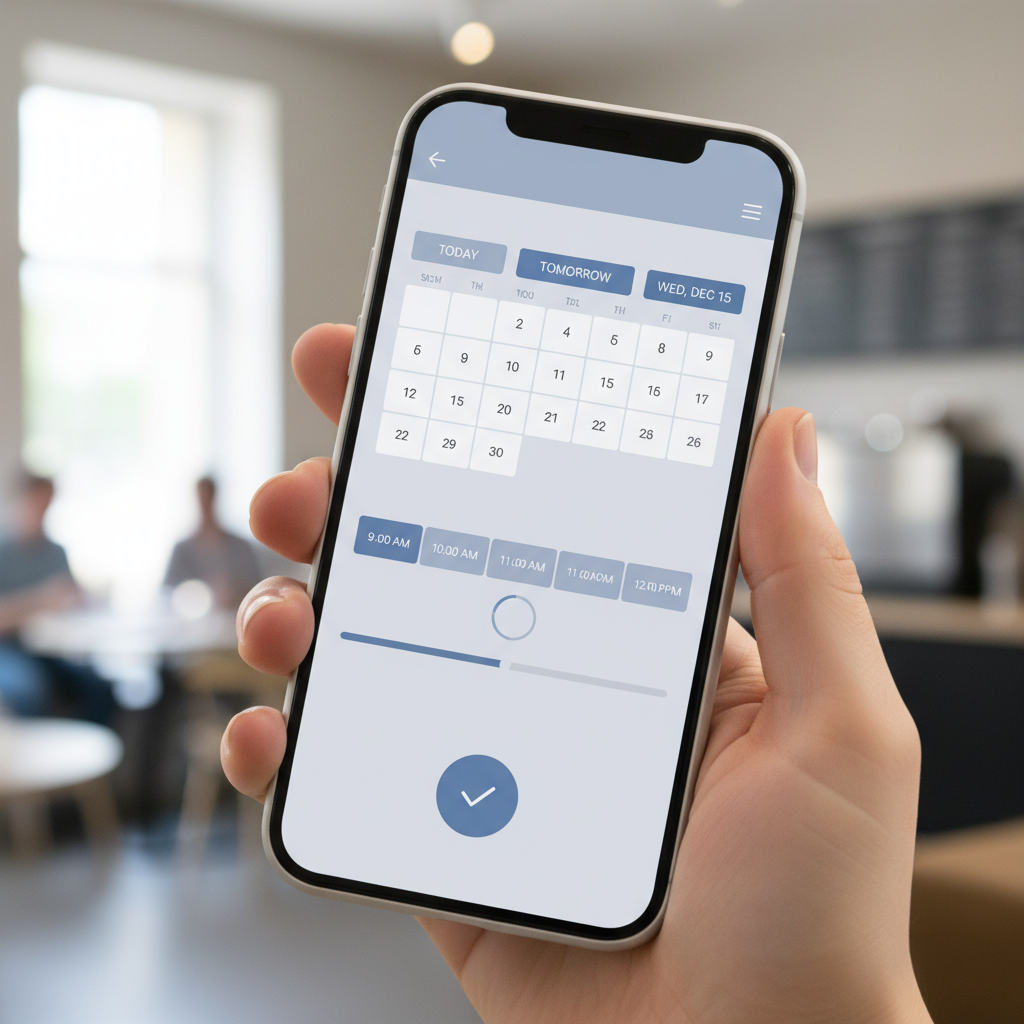
"Frictionless" has become one of those words that gets thrown around in business software marketing like it is always a good thing. Remove the friction. Streamline the journey. Make it effortless for the customer to say yes. On the surface, this sounds like great customer service. Dig a little deeper, and the picture gets more complicated.
Friction, in the way most software vendors use the term, means anything that slows a customer down between wanting something and paying for it. A confirmation screen. A price breakdown. A pause to think. A chance to say no. When software eliminates these moments, it is not just making things convenient. It is removing the points in a transaction where a customer might exercise judgment.
That should concern anyone who cares about building honest customer relationships.
The Convenience Trap
Nobody is arguing that customers should have to jump through hoops. Long hold times, confusing forms, and unclear pricing are legitimately bad experiences that deserve to be fixed. The issue is not convenience itself. It is the specific kind of friction that gets targeted for removal.
When a service business adopts a platform that lets customers approve a $3,000 repair with a single tap on their phone, that is being sold as convenience. And for a customer who already understands what they are approving, it might be. But for the customer who is at work, distracted, and just wants to get their car back, that single-tap approval skips past the moment where they might have asked a question, compared a price, or decided to get a second opinion.
The software did not force them to approve anything. It just made it very, very easy to say yes and comparatively harder to slow down. That is a design choice with ethical implications, even if no one involved intended anything malicious.
Who Benefits When Friction Disappears?
This is the question worth sitting with. When a step in the customer journey gets removed, who actually benefits more: the customer or the business?
Sometimes the answer is genuinely both. Automated appointment reminders reduce no-shows (good for the shop) and help customers remember their appointments (good for them). That is friction removal done right.
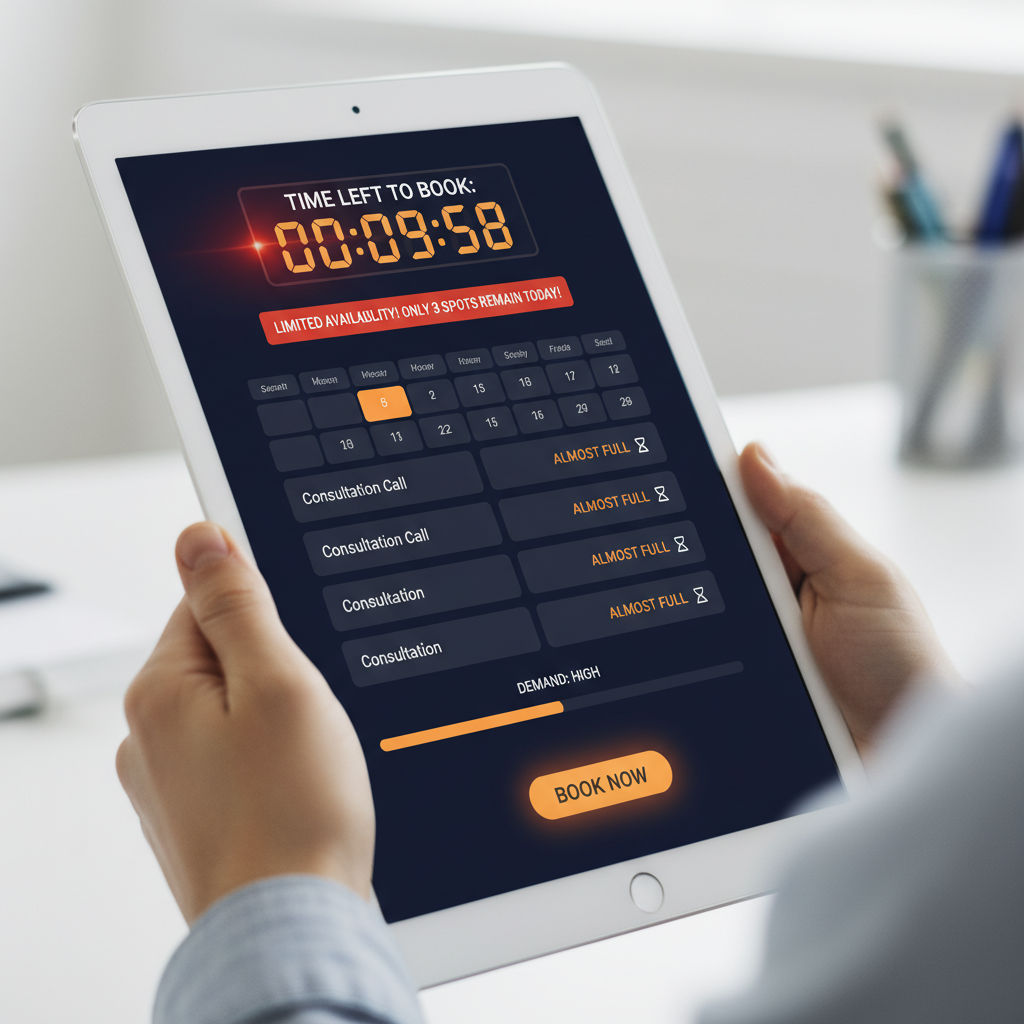
But look at how some platforms handle service approvals, add-on recommendations, or payment processing. Pre-checked boxes for additional services during online booking. Repair authorizations that bundle multiple items into a single "approve all" button rather than letting customers choose line by line. Payment flows that skip the itemized invoice and go straight to the total.
In each case, the friction that was removed was the customer's opportunity to make a more deliberate choice. The business benefits from faster approvals and higher ticket averages. The customer gets convenience, sure, but at the cost of informed decision-making.
Friction as Protection
Here is the part that frictionless evangelists do not like to talk about: some friction exists to protect the customer. A confirmation screen that shows you exactly what you are about to pay for is friction. A cooling-off period before a large purchase is friction. Having to type your name instead of just clicking "agree" on a terms-of-service page is friction.
These moments of pause are not bugs in the customer experience. They are features. They give people a chance to catch mistakes, reconsider decisions, and engage their critical thinking before money changes hands. When software strips them away in the name of convenience, it is worth asking whether the real goal is customer satisfaction or reduced cancellation rates.
Consider the data consent notices that most service platforms require customers to accept. The frictionless approach is to bury them in a sign-up flow where clicking "agree" is the only practical option. A more honest approach would add friction: slow the customer down, explain what they are agreeing to, and make it genuinely easy to say no. That friction protects the customer. Removing it protects the business.
The Service Industry Context
This dynamic is especially important in service industries because of the knowledge gap between provider and customer. When you take your car to a mechanic or call an HVAC company, you are relying on their expertise. You often cannot independently verify whether a recommended repair is necessary or whether the price is fair.
In that context, the moments of friction in a transaction are some of the few opportunities a customer has to exercise any control. The pause before approving a repair. The conversation with the service advisor. The chance to see an itemized breakdown. These are not obstacles to a good experience. They are the experience, at least the part that keeps the relationship honest.
Software that streamlines past these moments is not making the experience better for the customer. It is making it faster, which is a different thing entirely. Speed benefits the business. Clarity benefits the customer. The two are not always aligned.
What Good Friction Looks Like
The goal should not be to add friction for its own sake or to make processes deliberately cumbersome. It should be to preserve the friction that serves the customer's interests while removing the friction that does not.
Some practical examples for service businesses:
- Itemized approvals instead of bulk authorization. Let customers approve or decline each recommended service individually, with clear pricing for each item.
- Mandatory price visibility before approval. Never let a customer approve a repair without seeing the cost first, even if showing the price adds a step to the workflow.
- Confirmation screens for large transactions. If a customer is about to authorize more than a few hundred dollars, a second confirmation step is not inconvenient. It is responsible.
- Easy access to decline or delay. The option to say "not right now" should be just as prominent and easy to use as the option to approve.
Research from the Nielsen Norman Group has consistently shown that users value clarity and control over raw speed, especially in high-stakes decisions. Removing too much friction can actually decrease trust and satisfaction when customers feel they were rushed past important details.
The Honest Version of Efficiency
There is nothing wrong with making things easier for customers. The best service businesses do it all the time. But there is a difference between making a process easier and making it harder for a customer to say no. The first is good service. The second is a dark pattern, even when it is dressed up in the language of customer experience.
The next time a software vendor pitches a "frictionless" solution, it is worth asking a simple question: frictionless for whom? If the answer is primarily the business, the customer might be paying for that convenience in ways they never agreed to.
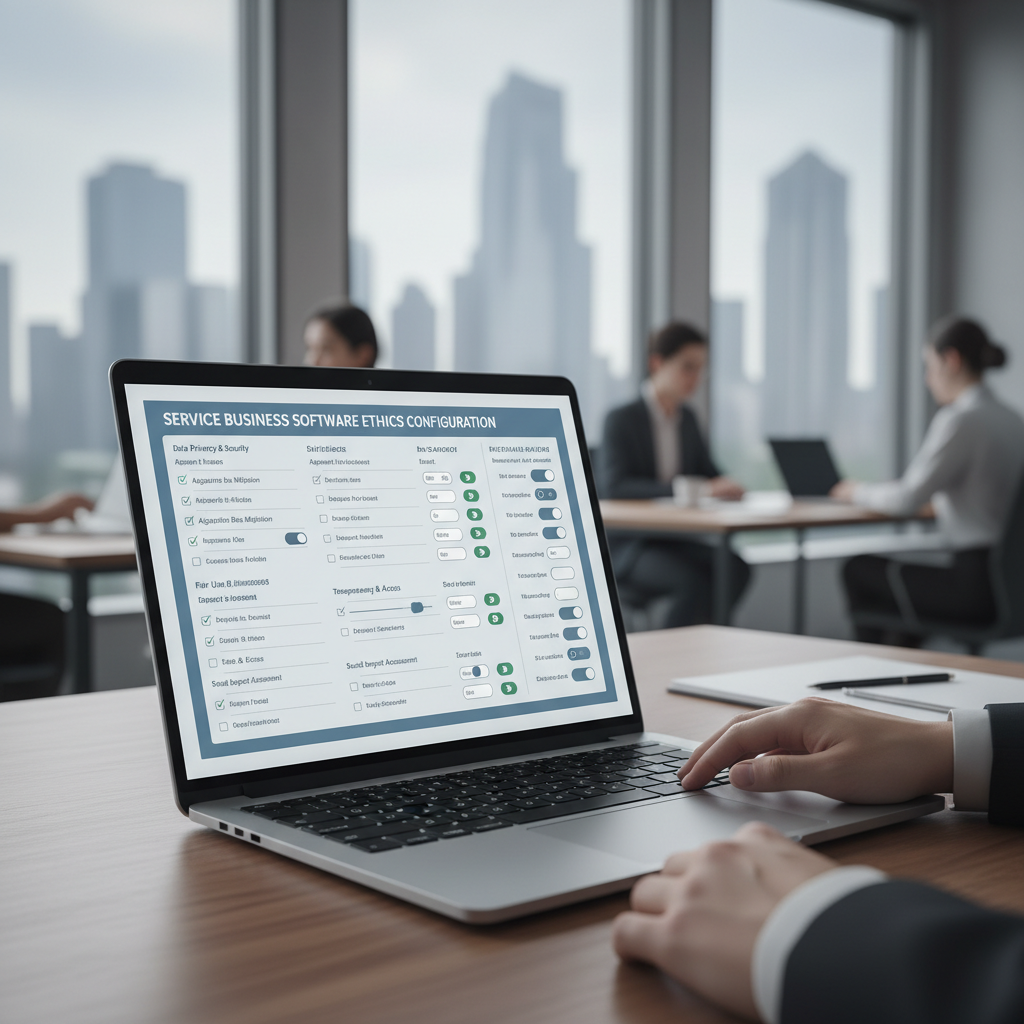
Building systems that respect meaningful consent means accepting that some friction is the price of honesty. It means choosing slightly slower processes over ones that quietly benefit the business at the customer's expense. It means treating the customer's attention and judgment as something worth protecting, not an obstacle to overcome.
That is harder than installing a platform and letting it optimize everything. But it is the kind of hard that builds businesses people actually trust.